
We receive your message
Your child's age, preferred location and booking preference are sent to us via WhatsApp.
Learning for the Age of AI
Through robotics, coding and AI, children turn ideas into things they can build, test and improve.
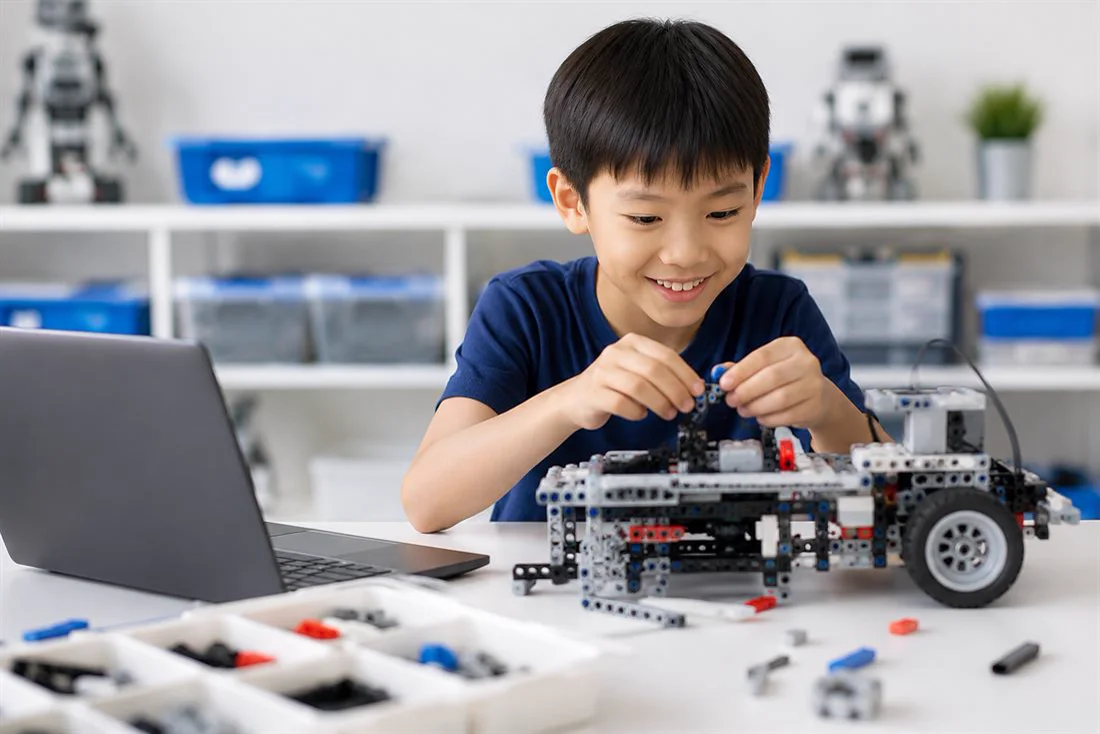
From Ideas to Real-World Creation
AI helps children explore possibilities. Coding turns ideas into instructions. Robotics brings those ideas into the real world.
Explore ideas & possibilities
Turn ideas into instructions
Build, test & improve in the real world
AI can suggest. Coding can instruct. Robotics makes it real.
How We Teach It
Some robotics programmes teach children how to code a robot. We teach children how to imagine, build, engineer and then code it, with LEGO‑compatible kits and one robot per child.
The Big Difference
Coding teaches a robot what to do. Engineering teaches a child how to create the robot in the first place.
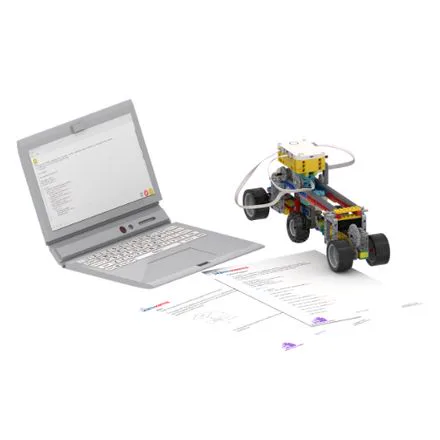
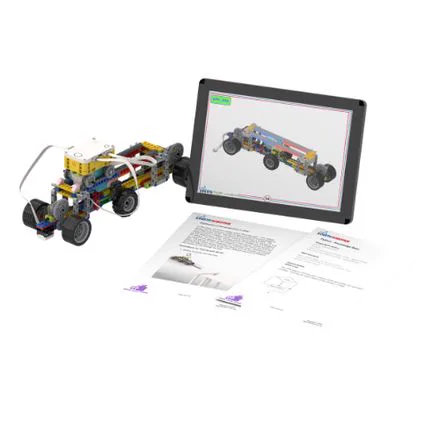
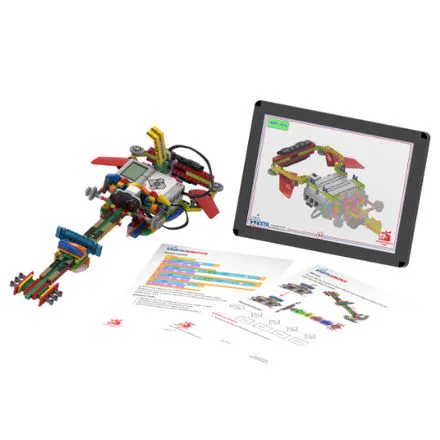
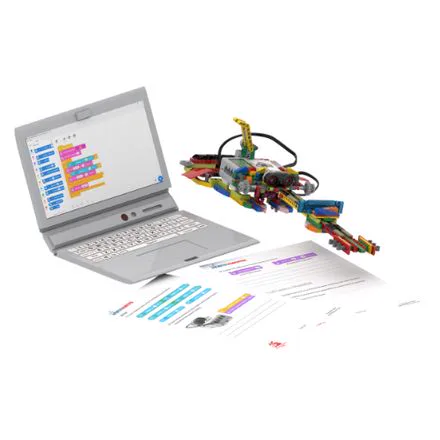
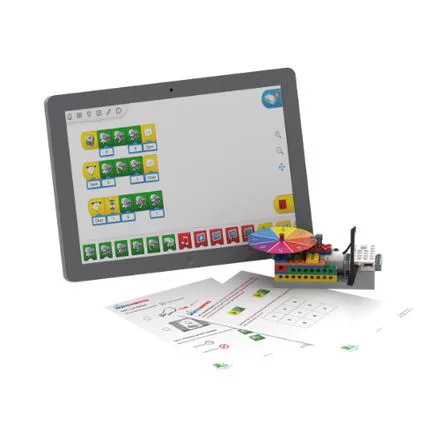
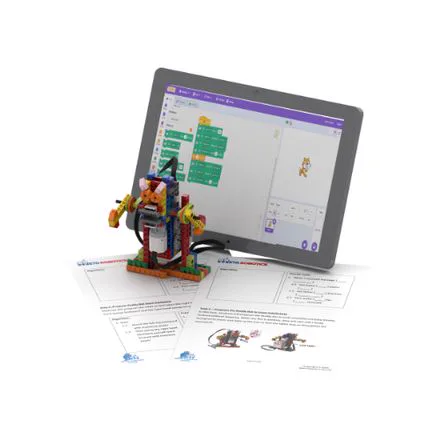
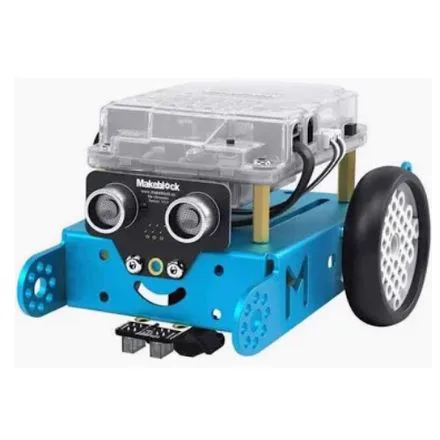
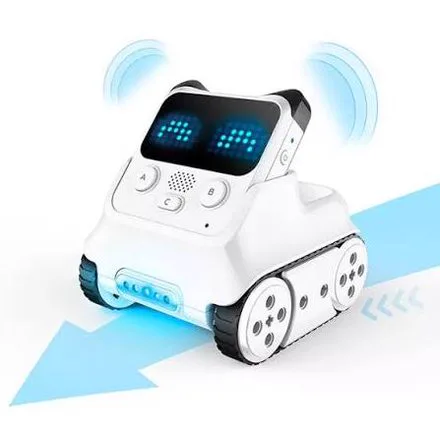
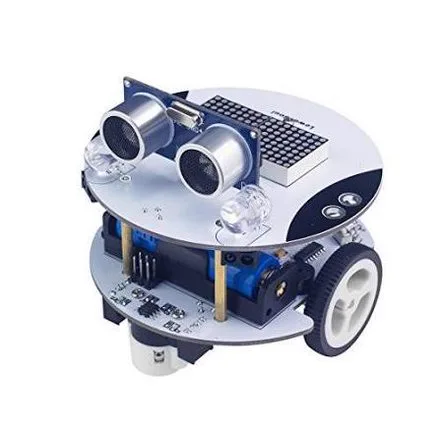
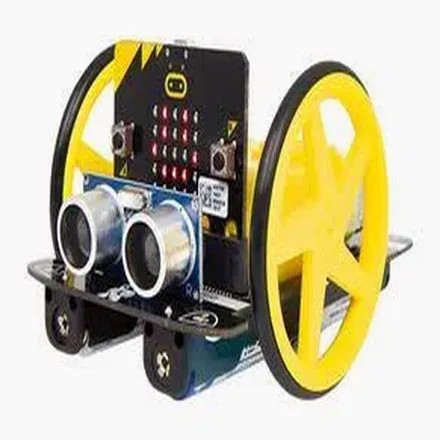
Same pre‑built robot, every session
Other programmes may teach your child to control a robot. We teach your child to build one.
Recognised By Parents, Media & Industry


Our Strongest Differentiator
When a child looks at a flat building diagram and constructs a working three‑dimensional model, they're performing a surprisingly complex mental process. This is more than following instructions — it's Spatial‑Visual Intelligence in action.
This ability is directly relevant to the fields shaping tomorrow's economy.
Proven Results
The majority of our students show a clear, measurable improvement in construction speed within their first 10 lessons. The same model that once took 60 minutes to build gets built in 45 minutes, then 30 — a gradual, trackable curve rather than a one‑off fluke.
A faster, steadier build time isn't just about speed. It reflects real gains underneath: stronger visual‑spatial thinking, more precise fine motor control, and sharper hand‑eye coordination — the same foundations we track throughout every programme.
Based on internal tracking of construction time across our student cohort during their first 10 lessons. Individual progress varies by child.
Average time to construct the same model
Why Motor Skills Still Matter in the AI Era
As AI takes over more routine digital tasks, education should not become more screen‑only. Children still need to develop the connection between:
Building robotics models requires children to pick up small components, align holes and pins, connect beams accurately, position gears, adjust axles and troubleshoot mechanisms.
The future is not AI skills or hands‑on skills.
Children need both.
We don't want children who can only ask AI to create.
We want children who can imagine, build, test and improve.
Learn Real Engineering — Not Just Robot Movement
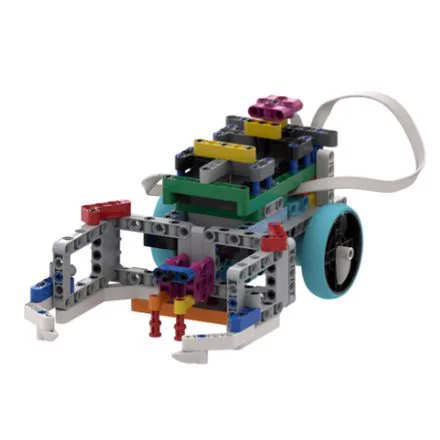
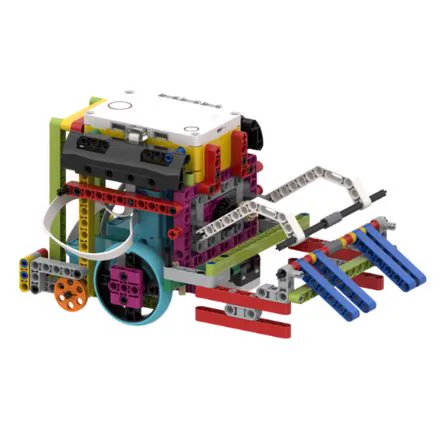
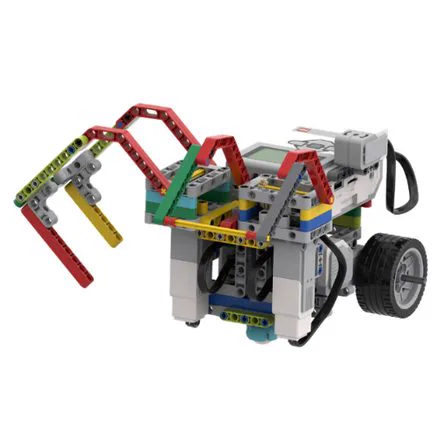
A modular LEGO‑compatible system allows children to build radically different machines — and each model introduces a different engineering principle.
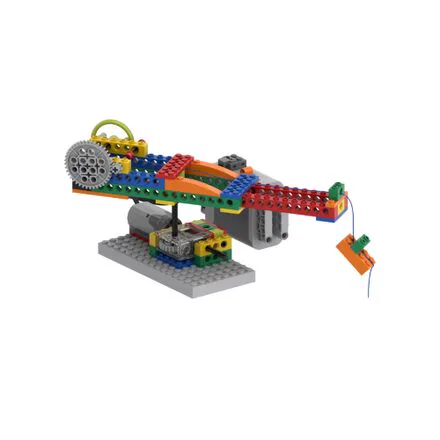
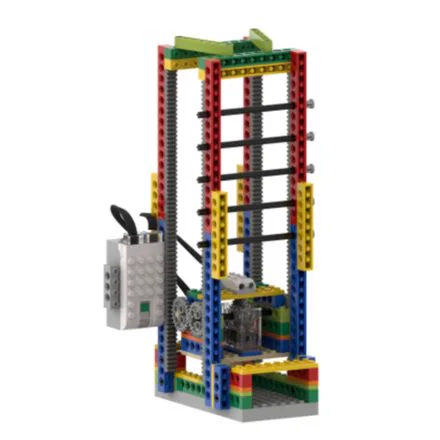
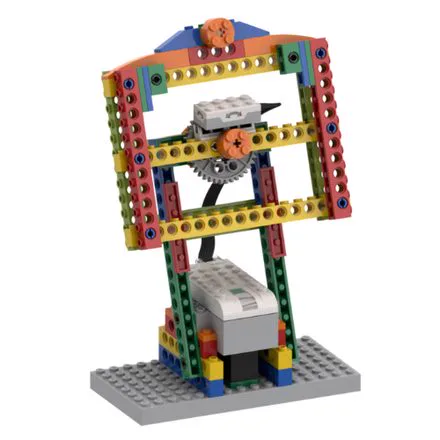
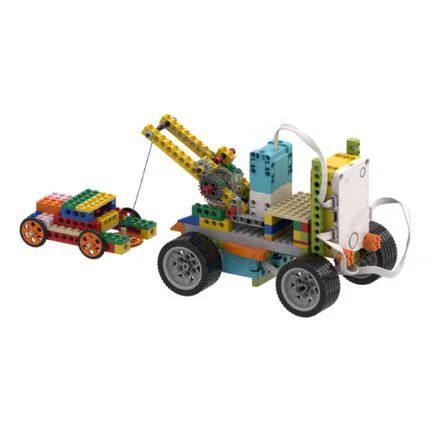
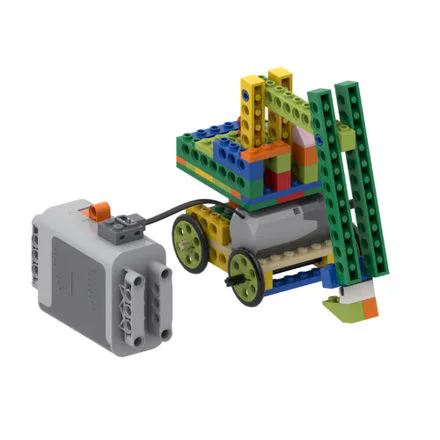
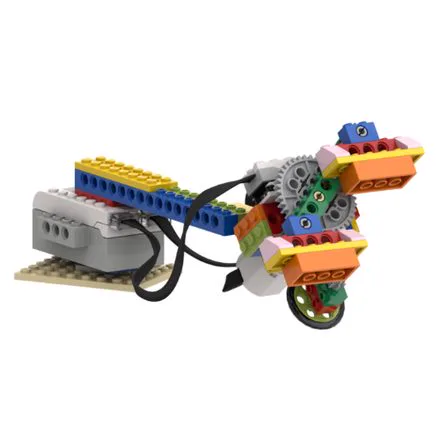
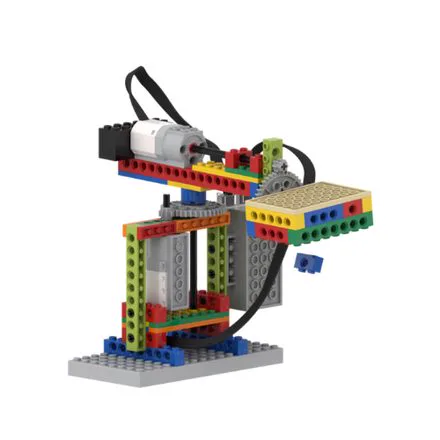
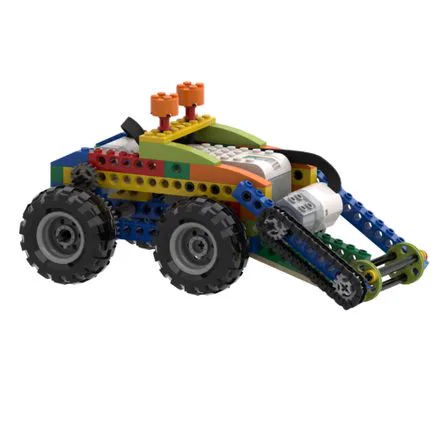
Each model, a new engineering principle:
The robot changes. The engineering challenge changes. The thinking changes.
From Building to Coding
Our 5Cs Development Framework connects hands‑on construction, coding, technical problem‑solving and competition preparation into one learning journey — put into practice through our NEBULA™ Neuro‑Builder Learning model.
Build a crane → understand pulleys → add a motor → code the lifting mechanism → improve its lifting capacity.
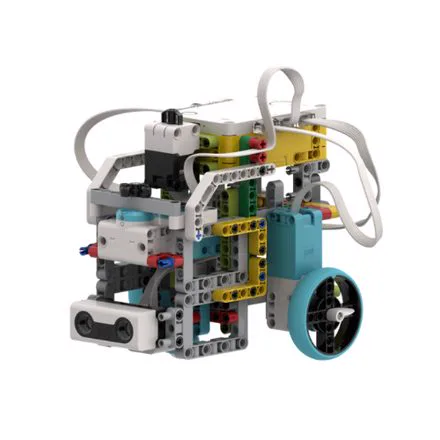
Build a vehicle → understand wheels and axles → add sensors → code autonomous movement → optimise for a challenge.
Competition Pathway
Don't just learn robotics. Put your skills to the test. For students who want to go further, building‑based robotics provides a genuine pathway into robotics competitions.
Student Ambassador
Follow Jayce's journey through Meta Robotics — from his first robotics class, to representing us as a Student Ambassador, to competition wins and a confirmed DSA offer.
Where it all began
Representing Meta Robotics
Wins along the way
Direct School Admission
Direct School Admission
Every Journey Starts With a First Build.
Book Your Child's Discovery Session →Success Stories
From first build to national podium — our students have progressed through the Ranker → High Ranker → Ace → King pathway and gone on to represent Meta Robotics at WRO, FLL and the National Robotics Competition.
Two years into our Robotics and Coding programme, Caspian won 3rd Place (WRO Regular Category – Primary) at the National Robotics Competition 2021 — and went on to secure a confirmed Direct School Admission (DSA-Sec) offer in 2022, built on the same problem‑solving foundation developed in class. Today, he serves as President of the Robotics Club at his DSA school, Yusof Ishak Secondary School.
Darius Lim Kai Zhe & Lim Pin Han
Top 10 Finalist, National Robotics Competition 2021
Zachary Chua Jun Yu & Tang Han Xuan
Best Content Award, Robomission Primary Regular Category
Jerome Ng
WeDo Junior Regular Category, National Robotics Competition 2021
Zachary Chua Jun Yu, Javier Chiam Yi Sheng, Casper Tan Chin Heng & Jaden Yeo
3rd Place, Innovation Project Award — First LEGO League 2022
Ashton Teo En Hao, Aidan Lao Thiam Ing, Sun Luke & Alton Yang An Zhi
Coopertition Award — First LEGO League 2022
Isaac Looi & Estelle Chan
Completed the Ace Module and progressed to King
Questions Parents Often Ask
Every parent weighs this decision carefully. Here are the questions we hear most.
Coding teaches children how to give instructions to a computer or robot. Robotics combines coding with the physical process of designing, building, testing and improving a working machine.
At Meta Robotics, children learn both. They first construct and understand how their robot works, then use coding to bring it to life. This helps connect digital skills with engineering, spatial reasoning and hands-on problem-solving.
Building the robot adds an important engineering dimension to robotics education. Children need to interpret 2D instructions, identify components, understand how parts connect, visualise structures in three dimensions and troubleshoot when something does not work.
Using our LEGO-compatible modular robotics system, students build different machines and mechanisms while learning engineering concepts such as gears, pulleys, levers, axles, forces, balance and mechanical advantage. They then apply coding to control what they have built.
Hands-on robotics can develop a combination of technical, cognitive and physical skills. These include spatial-visual thinking, logical reasoning, computational thinking, fine motor control, hand-eye coordination, sequencing, problem-solving and perseverance.
At Meta Robotics, children repeatedly build, test, diagnose and improve their creations. This gives them opportunities to practise turning an idea or diagram into something that works in the physical world.
AI can increasingly generate text, images, code and digital solutions, but children still benefit from learning how to create, test and improve things in the physical world.
Hands-on robotics connects the brain, eyes and hands. Children have to understand a problem, manipulate physical components, construct mechanisms, test their ideas and troubleshoot real-world results. We believe future-ready learners need both digital fluency and the ability to turn ideas into physical solutions.
Children can begin learning robotics from a young age when activities are matched to their developmental stage. Meta Robotics offers age-appropriate robotics and coding programmes for children aged 3 to 16.
Younger children focus more on hands-on construction, motor skills, sequencing and basic concepts. As students progress, they take on more advanced engineering, coding, computational thinking and problem-solving challenges.
Building at home can be a valuable activity, but a structured robotics programme provides guided progression, technical instruction and increasingly challenging problems.
At Meta Robotics, students progress from following instructions to understanding how mechanisms work, modifying designs, solving problems and eventually creating their own solutions. Each build introduces engineering and coding concepts within a structured learning journey rather than being an isolated project.
Yes. Coding is an integral part of the Meta Robotics learning journey.
Students first understand and construct the physical machine before programming it to perform tasks. For example, a child might build a vehicle, learn how its wheels, axles, motors and sensors work, then code it to move autonomously and improve its performance for a challenge.
This build-and-code approach helps children understand both the software instructions and the physical system those instructions control.
Yes. Students who are ready for a greater challenge can progress from regular robotics classes towards competition preparation.
Competition robotics requires students to combine engineering, coding, strategy, teamwork, communication, time management and problem-solving under pressure. Meta Robotics students have participated in competitions including the National Robotics Competition, World Robot Olympiad and FIRST LEGO League.
Bringing It All Together
Because in the AI era, the ability to create in the physical world may become more valuable, not less.
Book Your Child's Class
Send us a WhatsApp message and we'll take care of the rest.
Your child's age, preferred location and booking preference are sent to us via WhatsApp.
Our friendly team will get in touch to understand your needs and discuss suitable options.
We'll help you find a suitable session. Once you've selected your preferred slot, we'll guide you through the S$30 payment to confirm your booking.