Learn Through Building
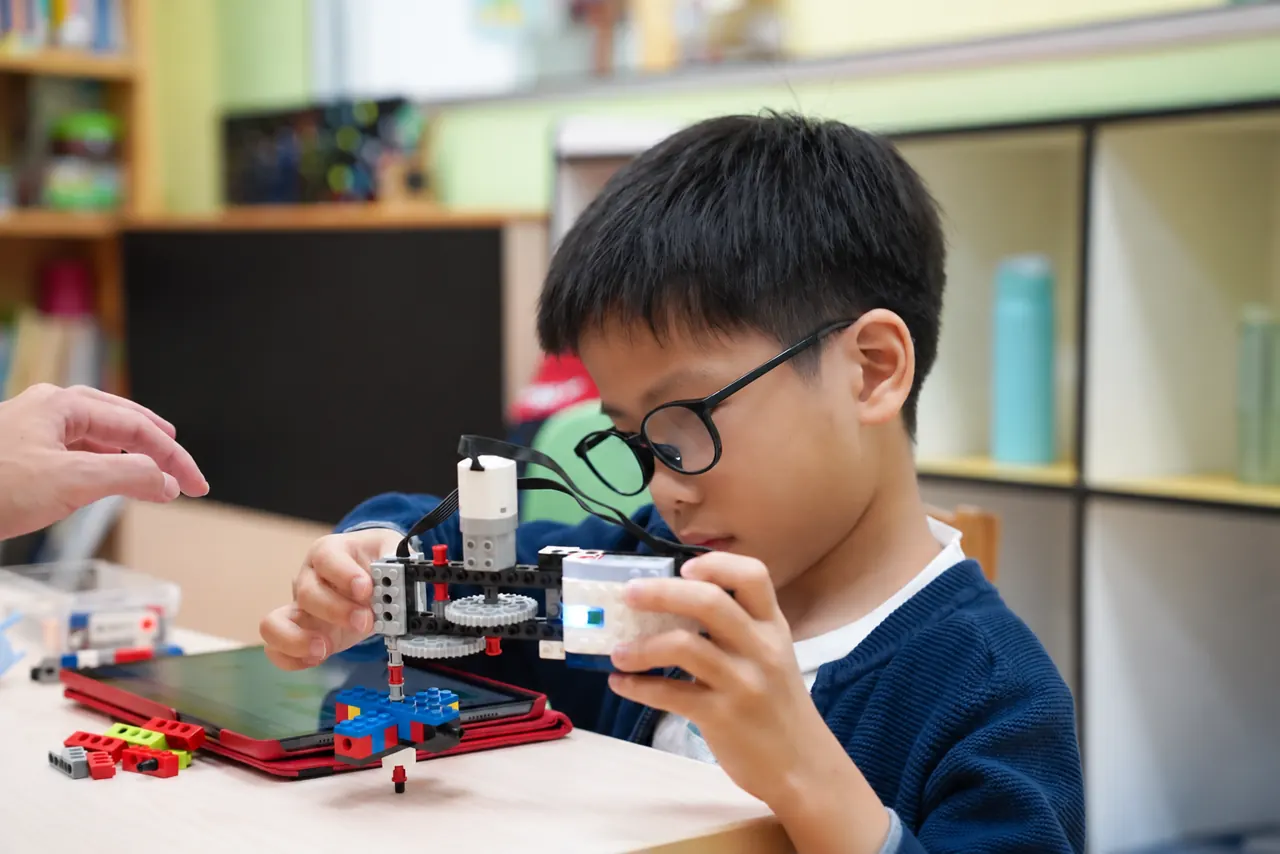
Children explore engineering and coding concepts through hands-on activities that turn abstract ideas into tangible experiences. They discover how and why a robot works.
The Meta Robotics Learning Philosophy
Beyond Building Robots.
Building Young Minds.
At Meta Robotics, every robot your child builds is part of a bigger learning journey. Our NEBULA™ Learning Model combines five essential capabilities with progressive, hands-on learning to help children develop curiosity, creativity, critical thinking, collaboration and the confidence to take on new challenges.
From their first discovery to increasingly complex engineering projects, every learning experience builds upon what came before.
Our Approach to Learning
NEBULA™ is Meta Robotics' learning model that brings together five essential capabilities and a progressive approach to learning.
Rather than teaching children to follow instructions and complete isolated projects, we use robotics and coding as practical tools to help them explore ideas, solve problems and apply what they have learnt.
Every activity is designed to encourage children to think, experiment and develop greater independence as they progress.
Children explore engineering and coding concepts through hands-on activities that turn abstract ideas into tangible experiences. They discover how and why a robot works.
Robotics creates opportunities to ask questions, develop ideas, overcome challenges and work with others.
Children revisit familiar concepts in increasingly complex activities and take greater responsibility for their learning.
The goal is not simply to build a better robot. It is to help every child become a more capable, confident and independent learner.
Five Capabilities. One Connected Learning Experience.
Every robotics challenge creates opportunities to develop more than technical knowledge. These capabilities are developed together through hands-on experiences, rather than taught as five separate subjects.
C1
Understand the challenge. Develop the idea.
Children visualise possibilities and develop a logical plan before building.
In practice A child considers how a robot could detect an obstacle.
Capability focus Visualisation, logical reasoning and planning.
Learning That Deepens Over Time
Children build understanding gradually by revisiting familiar concepts, applying them in new situations and exploring increasingly complex challenges.
Stage 1
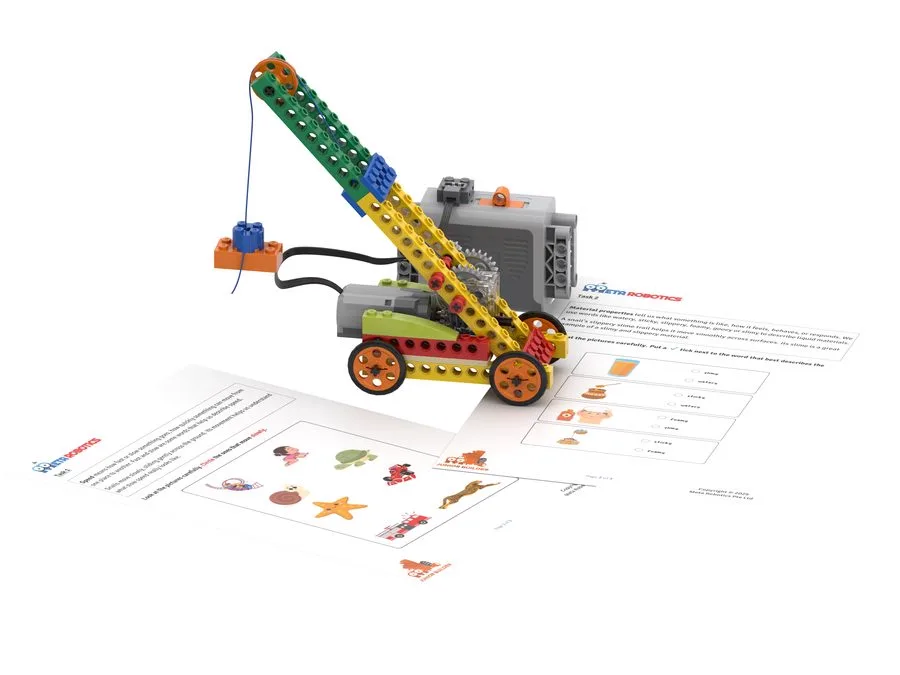
A young learner explores how wheels, gears and motors create movement. Through simple building activities, the child begins to recognise how different components work together.
Progression A familiar idea becomes the foundation for the next challenge.
The concept remains familiar, but the depth of understanding and level of application continue to grow. This is how small discoveries become the foundation for increasingly sophisticated learning.
From Ideas to Real-World Application
The learning model comes to life when children apply their ideas through hands-on robotics challenges, exploring how things work, testing ideas and learning from results.
Explore the challenge and ask questions.
How can a robot detect an obstacle?Turn ideas into a working solution.
Build and programme a sensor robot.Find out what works.
Check how consistently it responds.Improve through experimentation.
Adjust the sensor or programme.Understand what has been learnt.
Explain why one approach worked.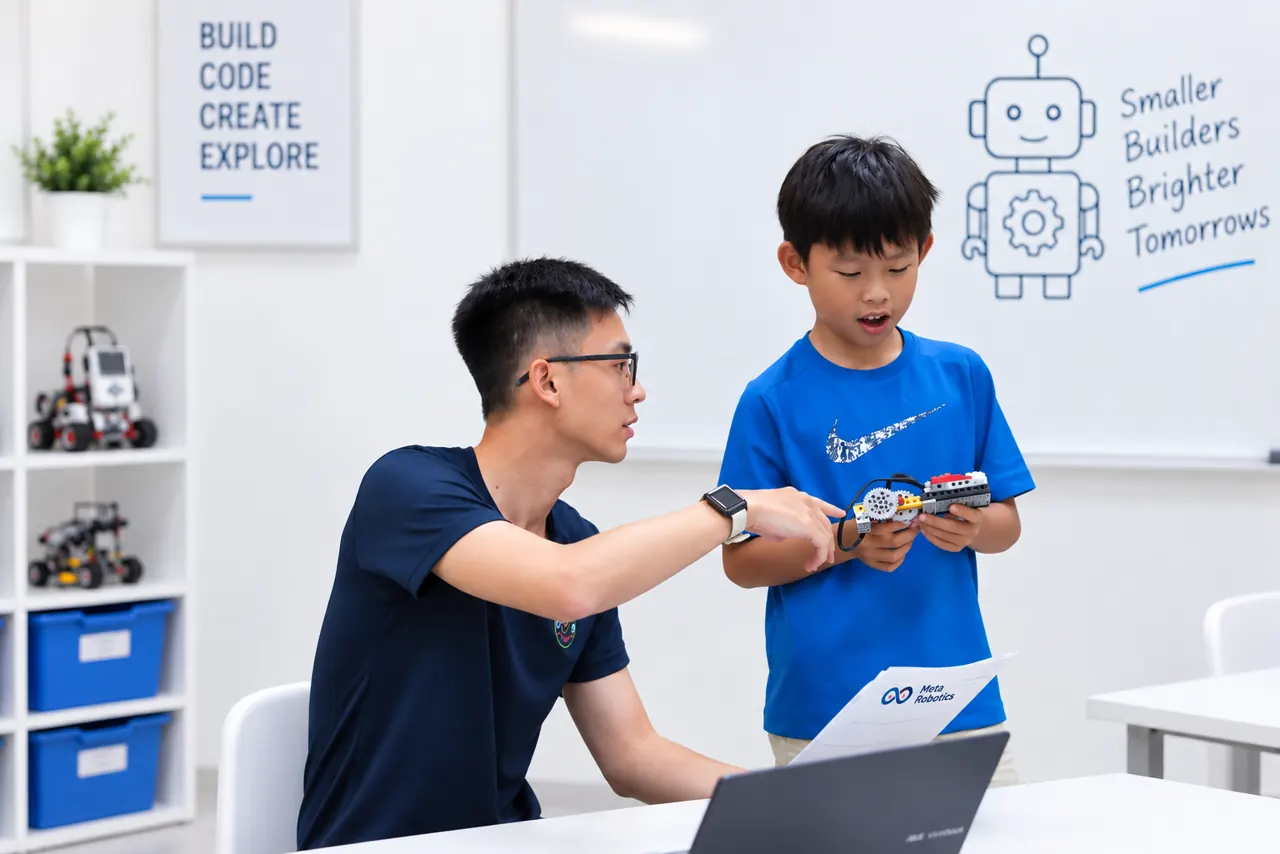
Learning does not always follow a straight line. Each iteration creates another opportunity to strengthen understanding and develop confidence.
A Learning Journey That Grows With Your Child
Each programme introduces age-appropriate challenges while building upon knowledge and capabilities developed at earlier stages.
 Ages 3 to 4
Where curiosity begins.
Hands-on exploration, basic mechanical concepts, observation and early problem-solving.
 Ages 5 to 6
Turning discovery into understanding.
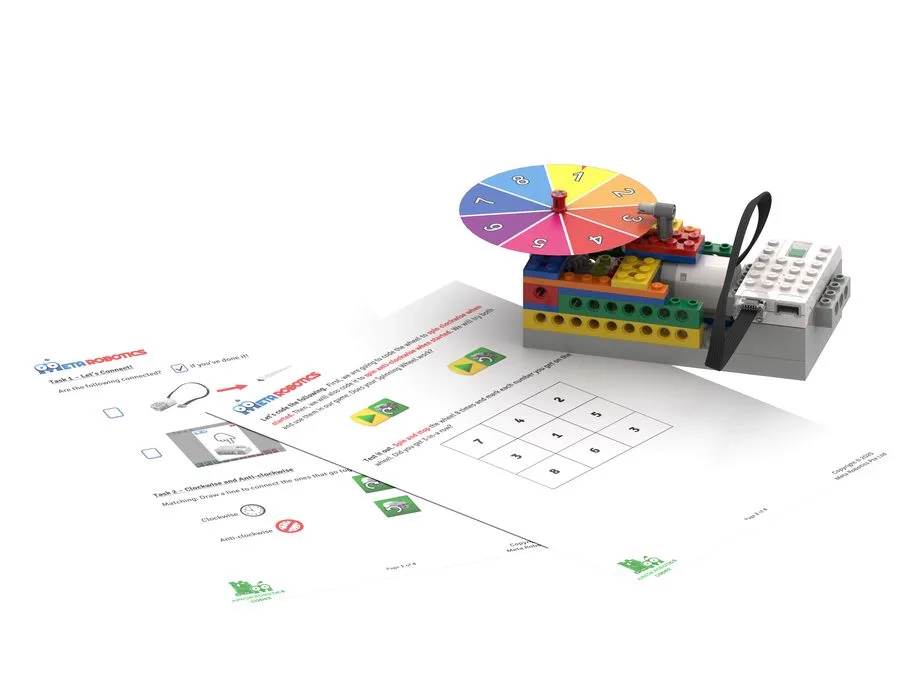
Mechanical understanding, structured building, logical thinking and guided experimentation.
 Ages 7 to 9
Connecting ideas through engineering and coding.
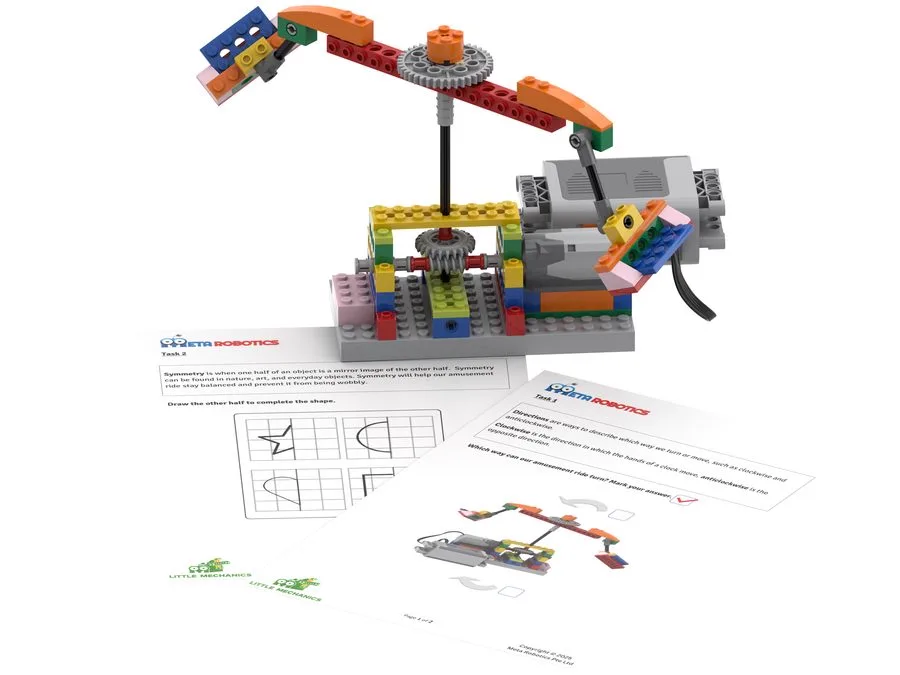
Programming fundamentals, mechanical design, logical reasoning and applied problem-solving.
 Ages 10 to 12
Applying knowledge to more complex challenges.
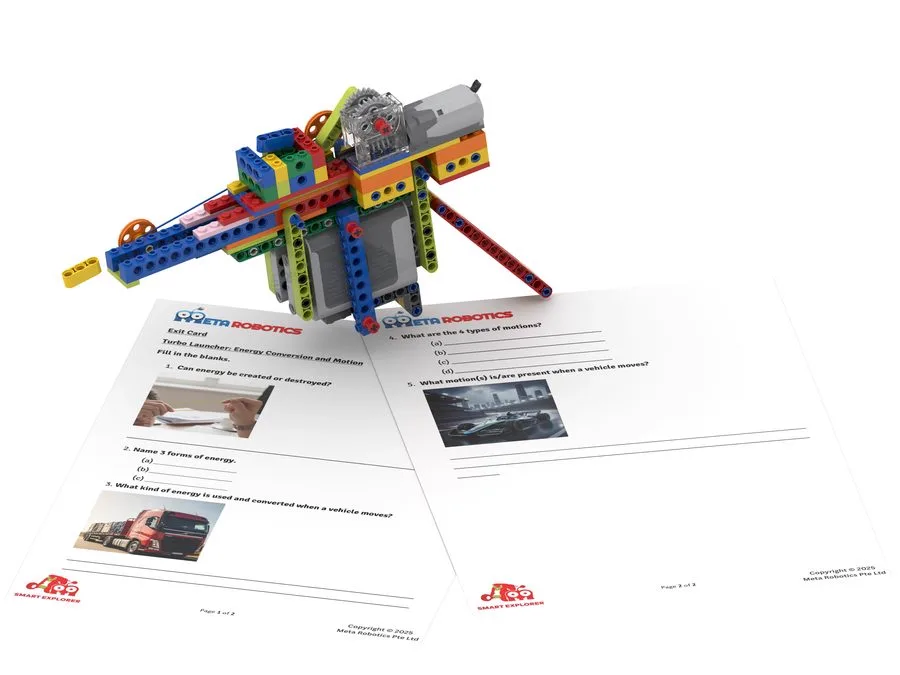
Integrated engineering and coding, optimisation and independent project development.
 Ages 13 and above
Advancing towards independent engineering.
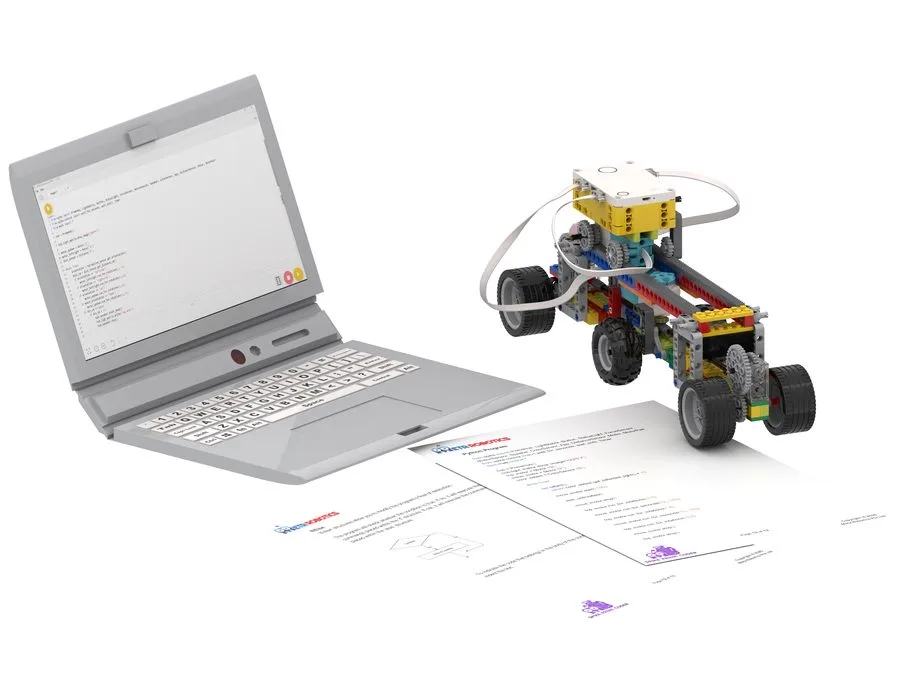
Advanced concepts, independent development, technical problem-solving and complex projects.
Age ranges are general guidelines. A child's recommended starting point and progression depend on their current abilities, prior experience and learning readiness.
Applying Learning to New Challenges
As children develop their engineering and coding capabilities, they gain opportunities to apply knowledge in increasingly challenging situations.
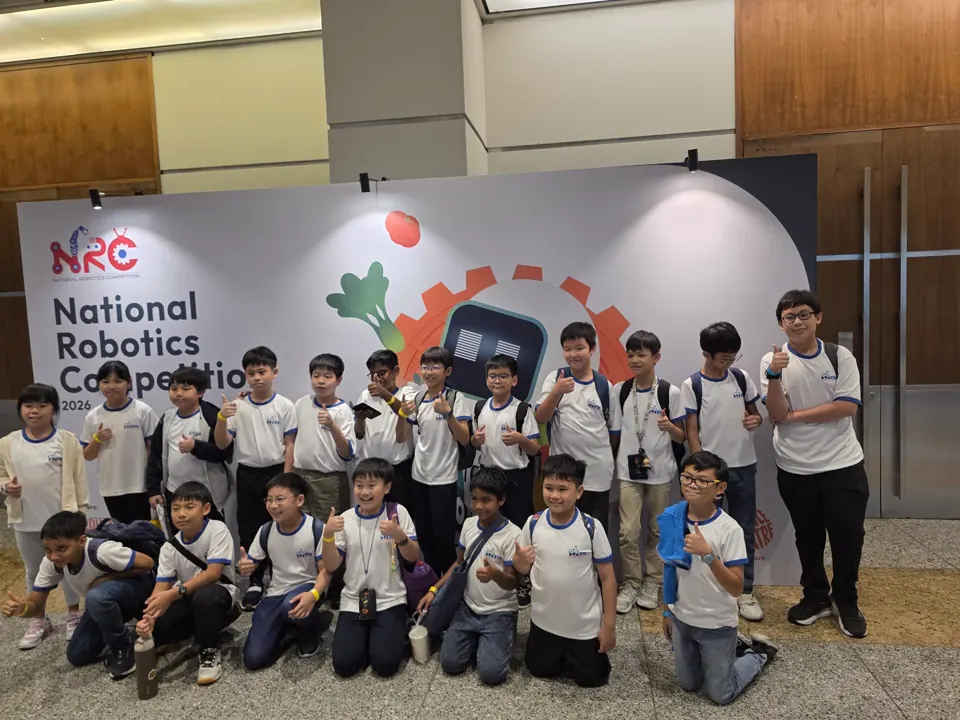
Putting knowledge and resilience into practice.
Students may develop strategies, build and programme solutions, test designs and refine approaches through preparation and competition experience.
Competition journey coming soon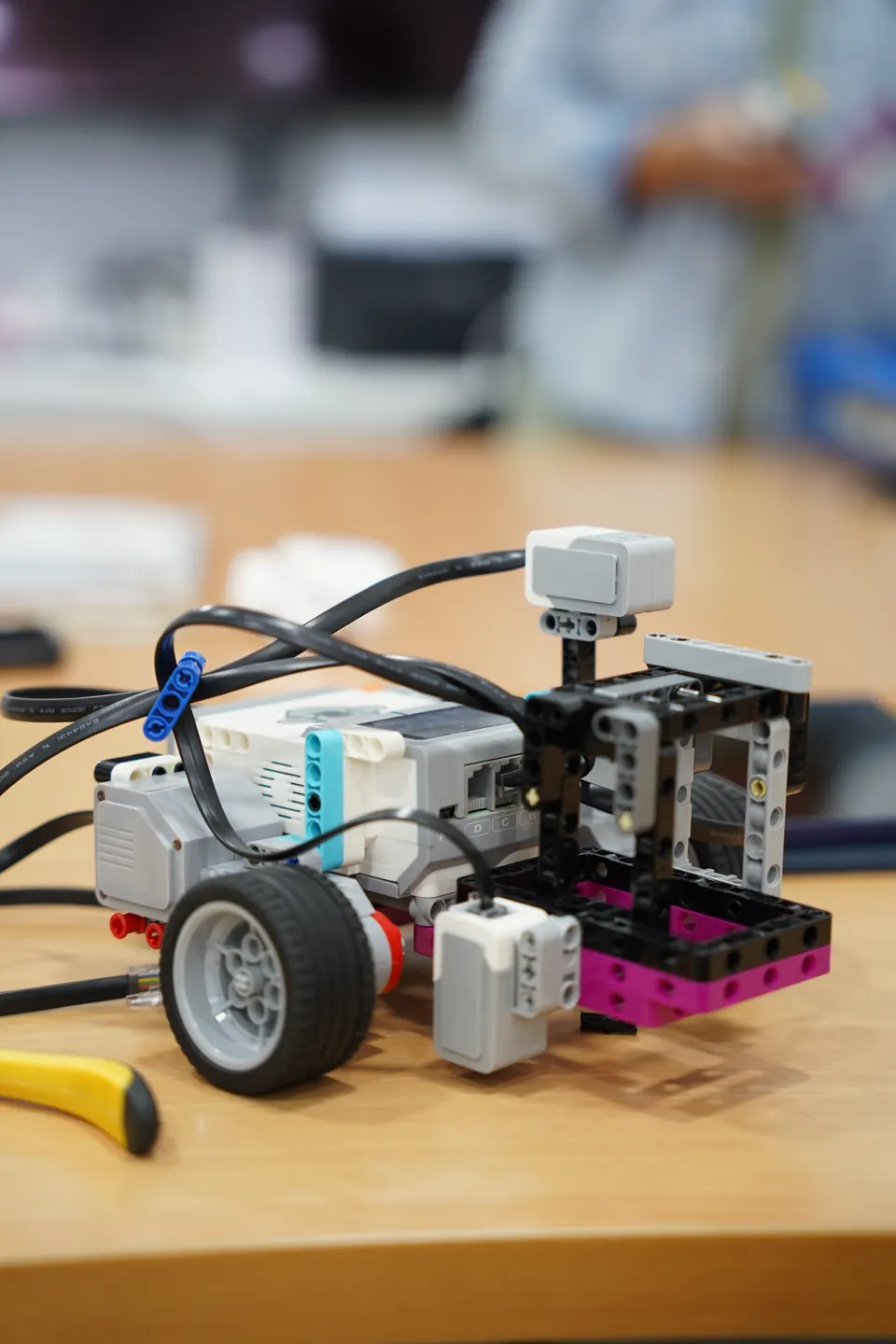
Turning personal ideas into practical creations.
Project development gives students opportunities to document their thinking, explain design decisions and build a record of learning.
Explore Our Learning Pathway →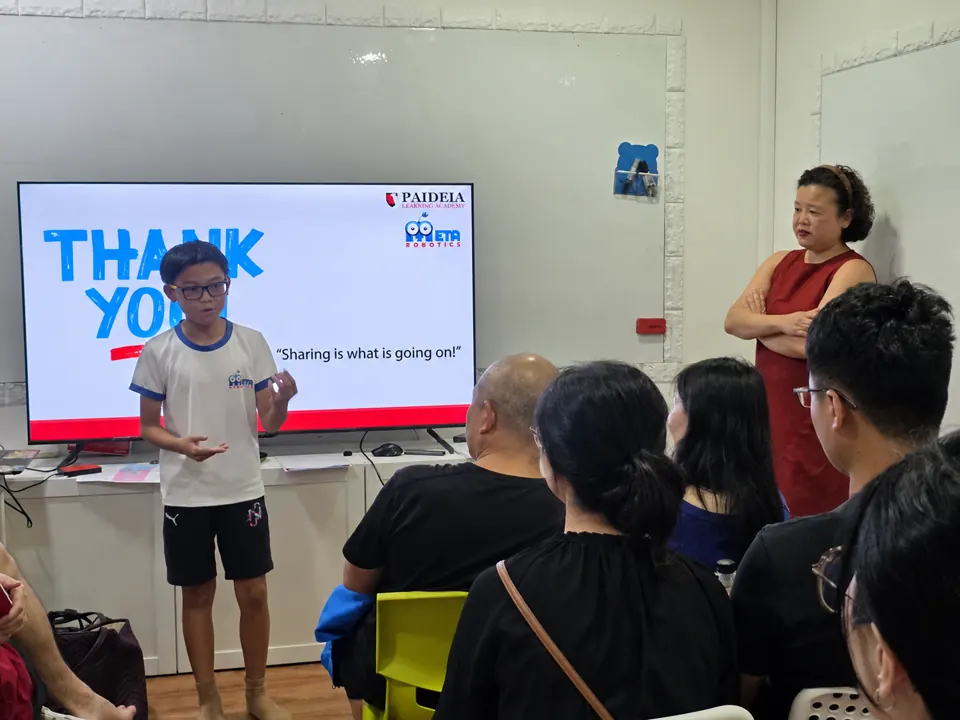
Building capabilities and experiences over time.
DSA requirements vary across schools and admission exercises. Participation in Meta Robotics programmes does not guarantee admission.
Explore Our DSA Pathway →Book Your Child's Class
Send us a WhatsApp message and we'll take care of the rest.
Your child's age, preferred location and booking preference are sent to us via WhatsApp.
Our friendly team will get in touch to understand your needs and discuss suitable options.
We'll help you find a suitable session. Once you've selected your preferred slot, we'll guide you through the S$30 payment to confirm your booking.
Your Questions, Answered
NEBULA™ is the name of Meta Robotics' learning model, which brings together Curiosity, Creativity, Critical Thinking, Collaboration and Compete. It is not an acronym formed from the five capabilities.
Robotics is used as a practical medium for children to ask questions, explore solutions, analyse problems, work with others and learn from their efforts.
Yes. Children can begin with guided exploration at an appropriate starting point, then gradually develop confidence and independence.
Spiral Learning means revisiting familiar concepts in new and increasingly complex contexts. A child may first explore a motor, later programme it and eventually apply the concept in an advanced robotic system.
Robotics and coding provide practical opportunities to develop all five capabilities through exploration, design, problem-solving, teamwork and suitable challenges.
Age is only one guide. Our Robotics Discovery Assessment lets coaches observe your child's current abilities and learning approach before recommending a suitable programme.
Students may have opportunities to participate in competitions, develop projects and build portfolios as they gain experience. Competition participation and DSA admission depend on readiness, opportunities and applicable requirements. Outcomes are not guaranteed.
Begin with a Robotics Discovery Assessment. Your child will take part in a guided robotics activity and we will discuss a suitable learning pathway afterwards.
Book a Robotics Discovery Assessment